Winners of the 2025 third cycle
Five cities have been honored in the third cycle of the Shanghai Award for their outstanding achievements in shaping sustainable, inclusive, and resilient urban futures.
Selected from 85 applications across 33 countries, the winning cities demonstrate how local innovation can drive global progress toward the Sustainable Development Goals (SDGs) and the implementation of the New Urban Agenda (NUA).
This cycle focused on four key themes:
- Adequate housing for diverse needs
- Co-creating people-centered smart cities
- Green and resilient development responding to climate change
- Effective governance for vibrant cities
2025 Shanghai Award Laureates
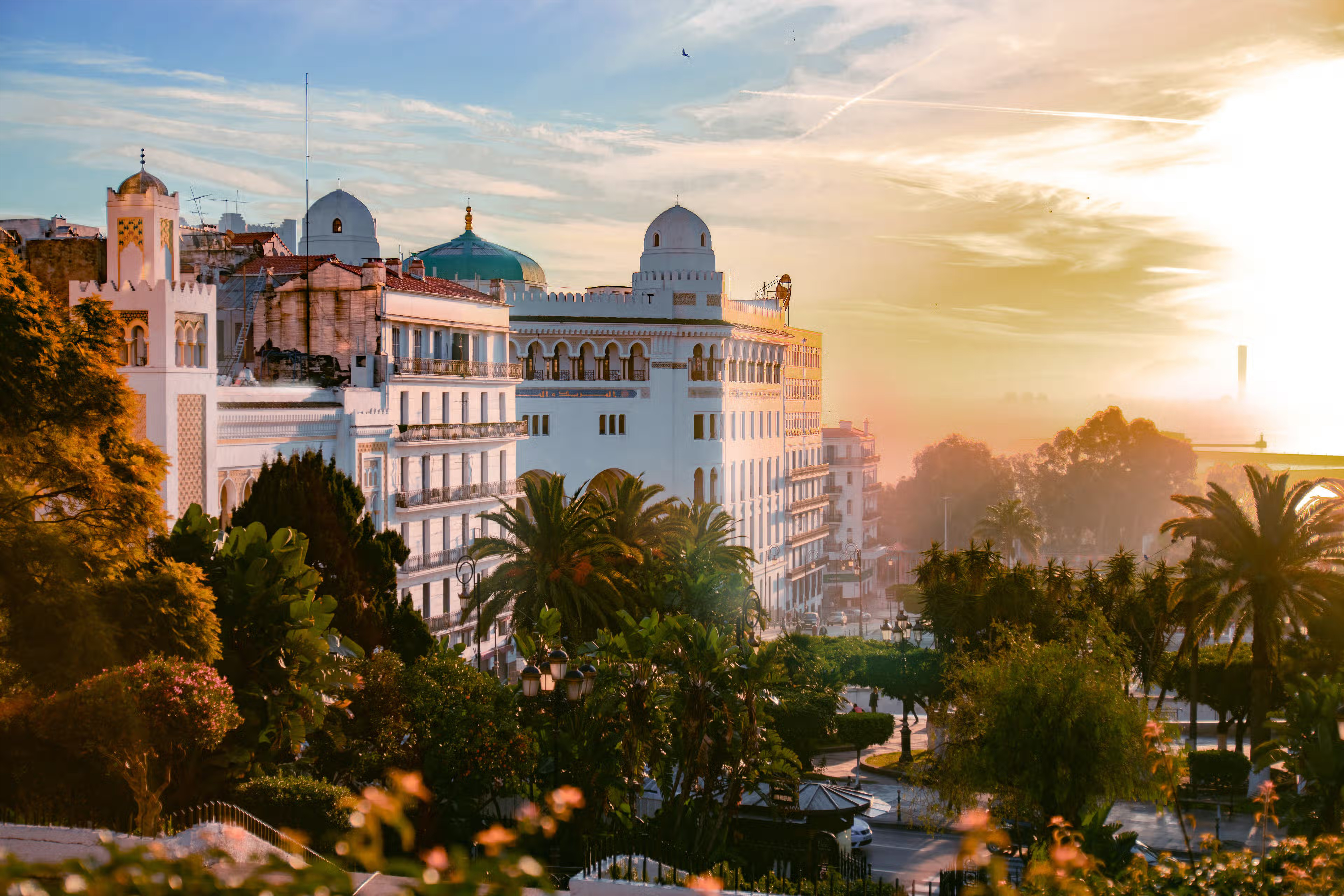
Algiers (Algeria)
Algiers was recognized for its ambitious transformation into a modern, inclusive, and sustainable metropolis by 2030. Through large-scale housing upgrades, ecological restoration, multimodal mobility, and a dynamic smart city ecosystem, the city is strengthening resilience and improving quality of life. Its people-centered and digitally enabled approach makes Algiers a leading model of innovative urban development in the region.
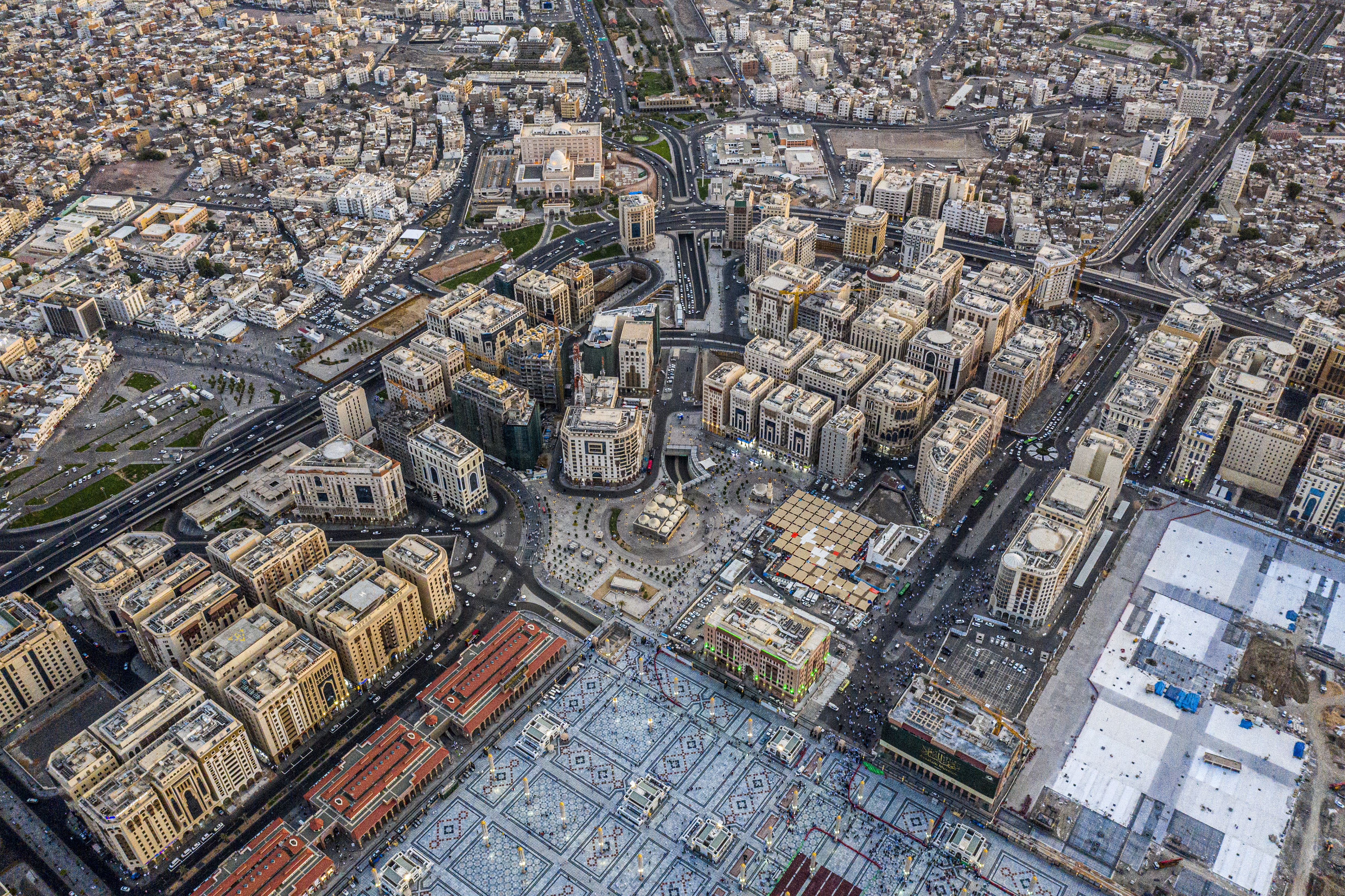
Al Madinah (Saudi Arabia)
Al Madinah was awarded for its human-centered smart city transformation grounded in Saudi Vision 2030, the SDGs, and the New Urban Agenda. The city blends cultural heritage with innovation through revitalized historic districts, advanced mobility systems, and a cutting-edge urban observatory that supports evidence-based policymaking. Its inclusive, climate-responsive, and data-driven model delivers measurable gains in housing, accessibility, and environmental quality.
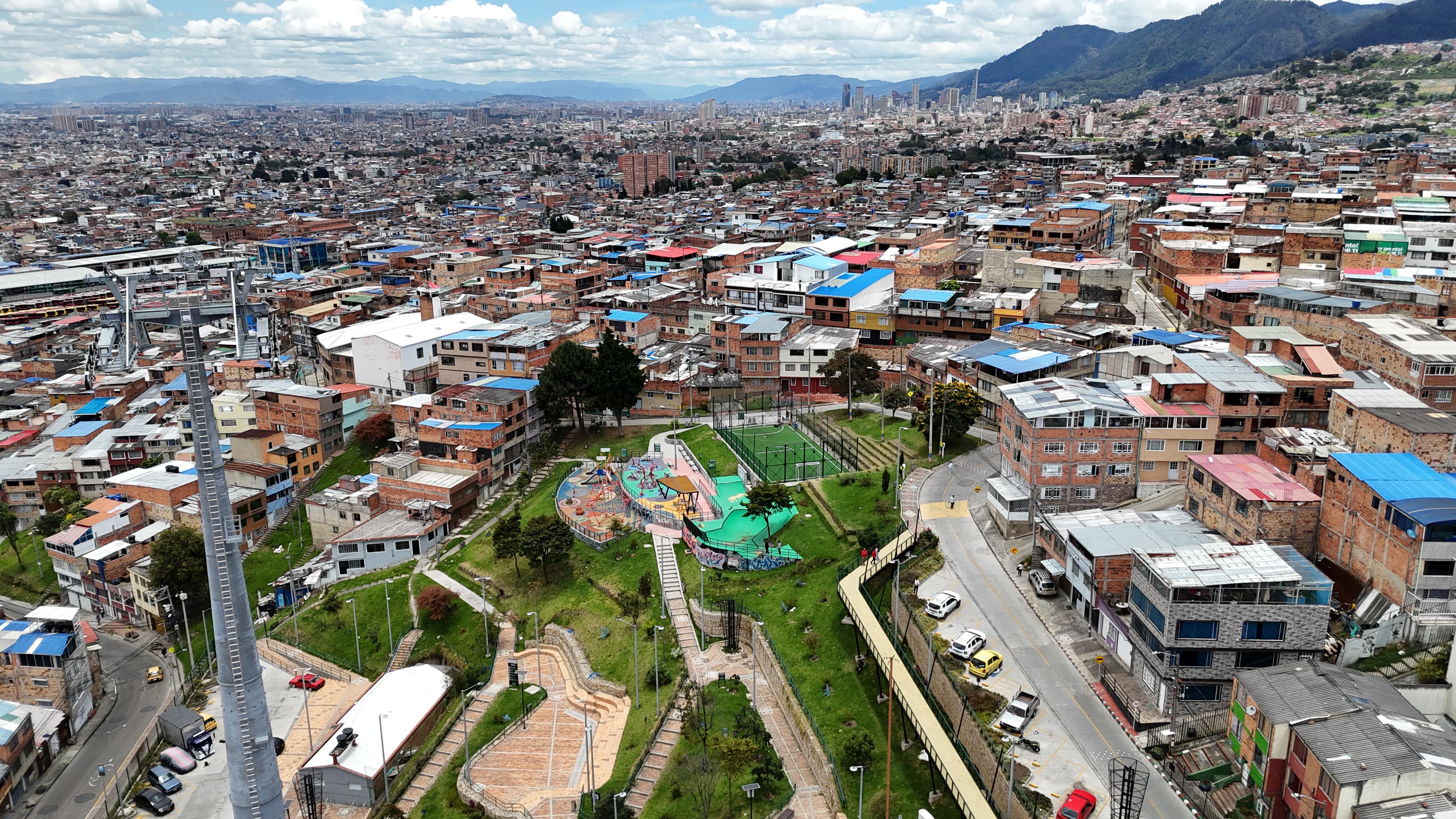
Bogotá (Colombia)
Bogotá was selected for its forward-looking “My City, My Home” vision, which tackles climate vulnerability and social inequality through green infrastructure, inclusive housing, and programs benefiting youth and women. Supported by cross-departmental governance and strong institutional tools, the city is advancing resilience and social equity at scale. Its approach offers a replicable model of people-centered, climate-responsive urban development across the region and beyond.
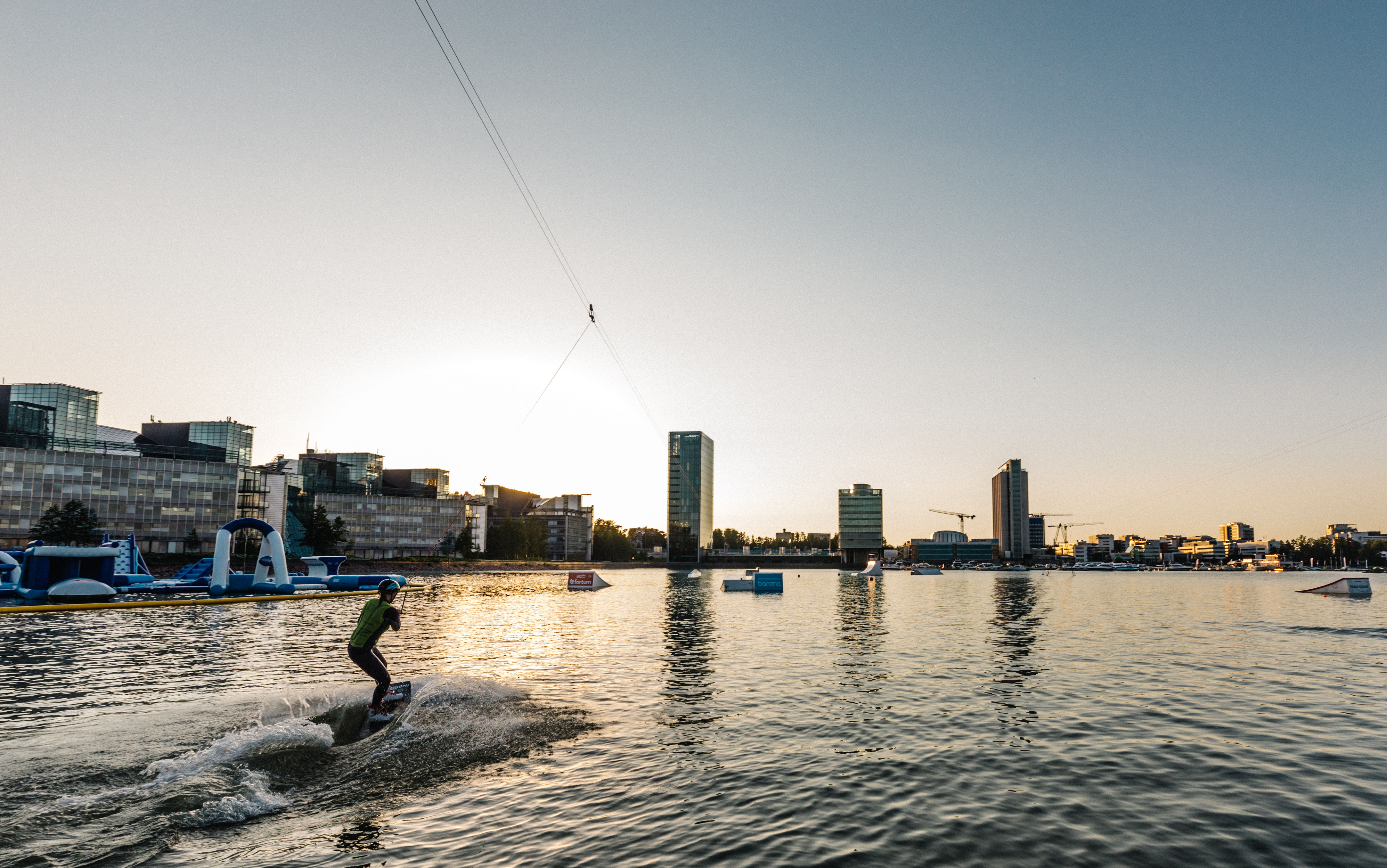
Espoo (Finland)
Espoo was recognized for its pioneering integration of the SDGs into planning, budgeting, governance, and community life. By combining technological innovation with strong university partnerships and participatory co-creation, the city fosters inclusive engagement and sustainable growth. With a 62% reduction in per capita emissions since 1990 alongside high economic vitality, Espoo stands as a global leader in people-centered urban sustainability.
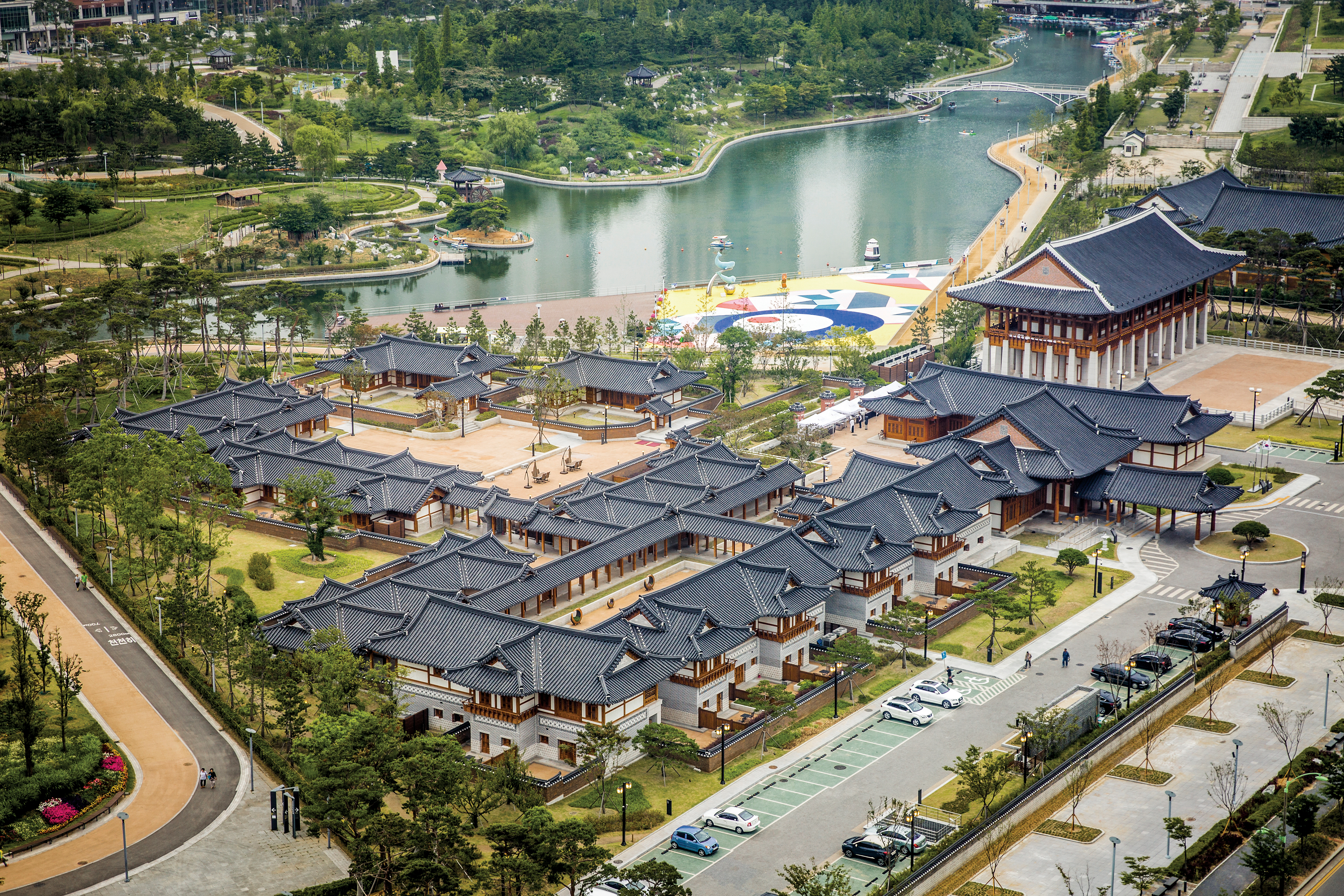
Incheon (Republic of Korea)
Incheon earned distinction for its results-oriented and integrated approach that balances environmental protection, economic vitality, and social inclusion. Its innovative housing initiatives, hydrogen-powered mobility systems, and nationally recognized stream restoration partnerships demonstrate strong and measurable impact. With its commitment to carbon neutrality by 2045 and robust civic participation, Incheon offers a forward-looking and replicable model of resilient urban transformation.